The Art of Storytelling Through Color: Insights from Galerie des Teintes


Color is more than just a visual experience; it's a powerful storytelling tool that can evoke emotions, set moods, and even convey messages without uttering a single word. At Galerie des Teintes, the exploration of color goes beyond aesthetics, delving into the profound impact it has on narrative and expression.
The Influence of Color in Storytelling
Colors have the unique ability to tell stories. They can communicate emotions and themes, connecting with viewers on a personal level. Each hue carries its own narrative, deeply rooted in cultural, psychological, and historical contexts. This is why artists and designers often rely on color to enhance their storytelling capabilities.
For instance, the color red can symbolize passion, danger, or love, depending on its context within a piece. Meanwhile, blue might evoke feelings of calmness or melancholy. By understanding these nuances, creators at Galerie des Teintes harness the power of color to add depth to their work.
Understanding the Psychology of Color
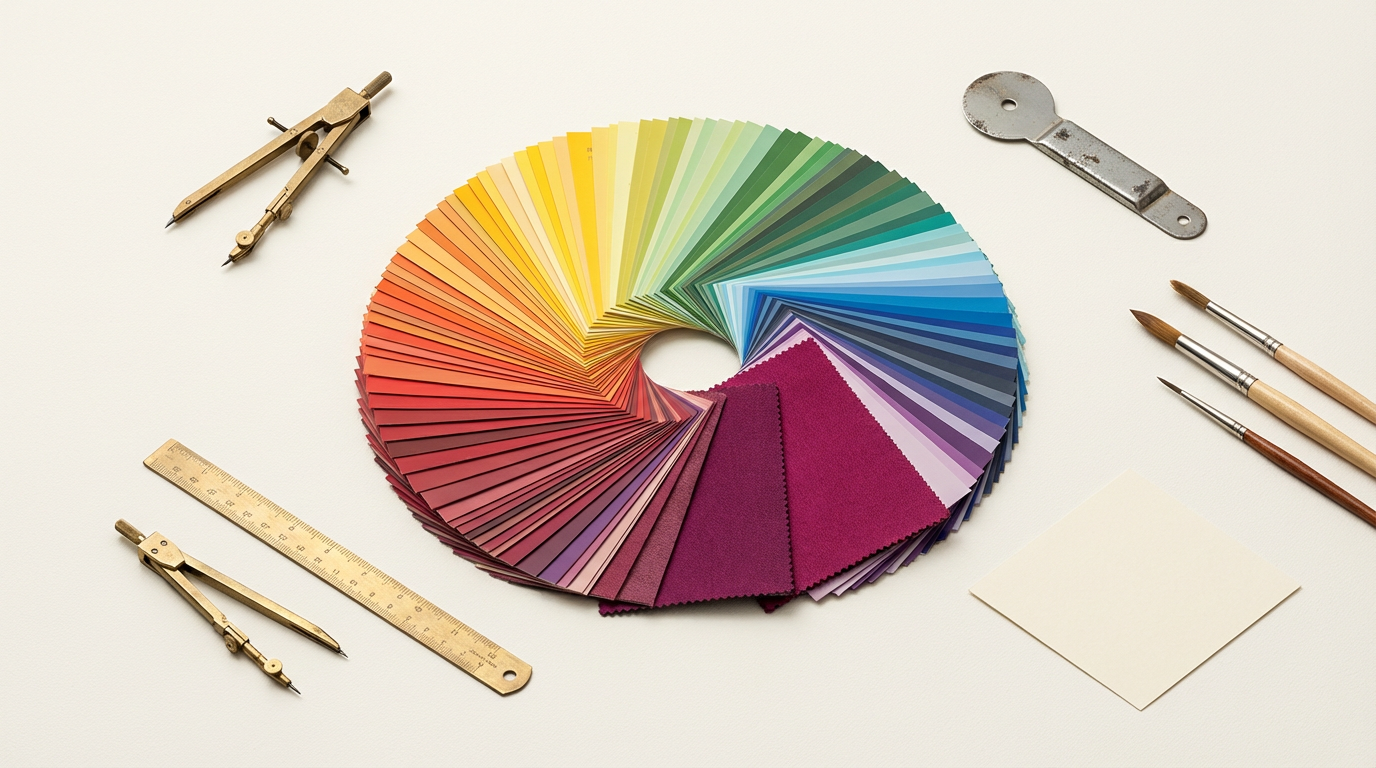
The psychology of color plays a crucial role in storytelling. Different colors can trigger different psychological responses. This is why selecting the right color palette is essential in any narrative-driven project. At Galerie des Teintes, artists carefully consider the emotional impact of their color choices to ensure they resonate with their audience.
Consider the use of warm colors like yellow and orange to elicit feelings of warmth and comfort, or cool colors like green and purple to create a sense of mystery or contemplation. These choices can fundamentally alter the perception of a story or artwork, guiding the viewer's emotional journey.

Color in Cultural Contexts
Colors also carry different meanings across cultures. What might be a positive and uplifting color in one culture could have a completely opposite interpretation in another. At Galerie des Teintes, understanding these cultural differences is key to crafting stories that are both meaningful and respectful.
For example, while white is often associated with purity and peace in Western cultures, it can symbolize mourning in some Eastern traditions. Such insights are invaluable when creating art that aims to transcend cultural boundaries.
Practical Applications in Art and Design
Incorporating color into storytelling isn't just for fine art—it extends to various fields like graphic design, marketing, and even interior design. At Galerie des Teintes, color is used to create cohesive and compelling narratives across multiple mediums.
Designers often utilize color to guide the viewer's eye, highlight important elements, or create visual harmony. By strategically using color, they can enhance the effectiveness of a design, making it not only aesthetically pleasing but also deeply engaging.
The Future of Storytelling Through Color
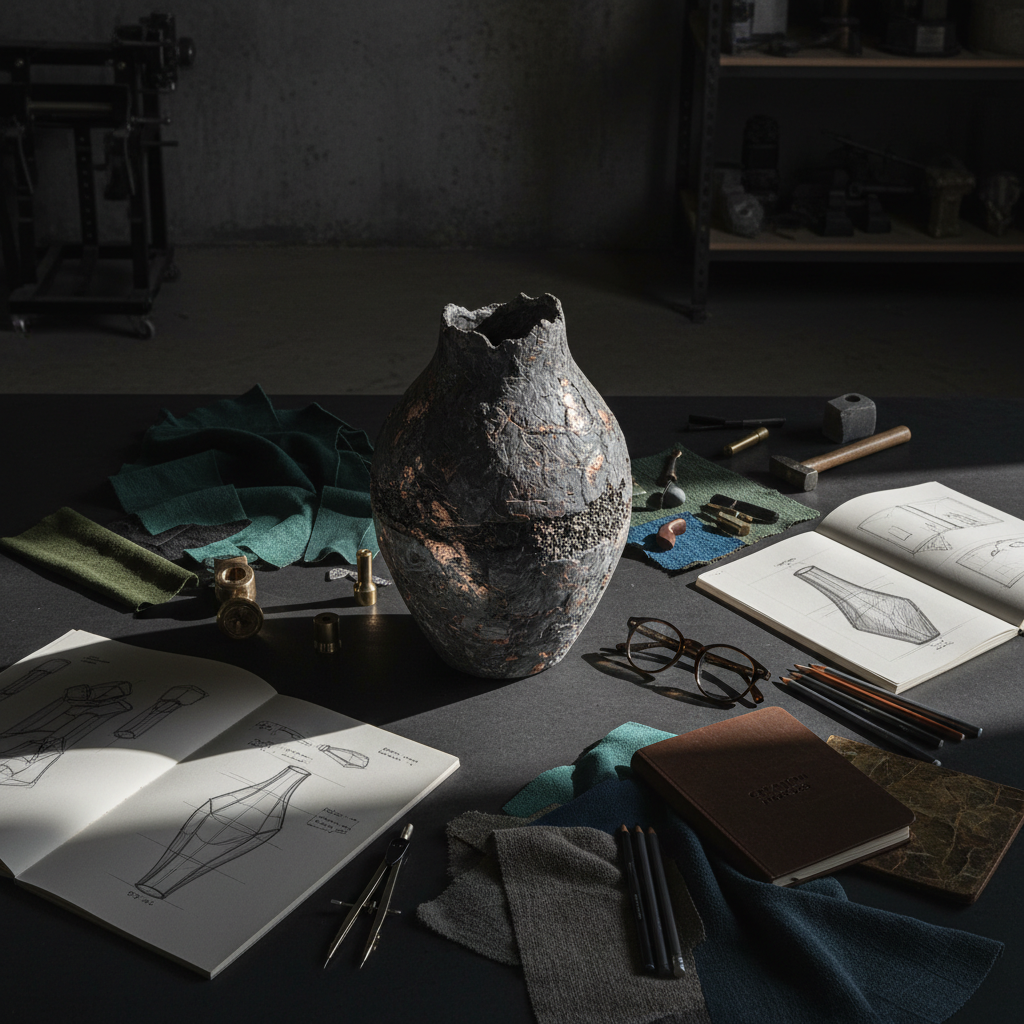
As technology evolves, so too does the potential for storytelling through color. Digital platforms offer new ways for creators to experiment with color in dynamic and interactive ways. Galerie des Teintes is at the forefront, exploring innovative methods to expand the possibilities of color-driven narratives.
Whether through virtual reality, augmented reality, or digital installations, the future of color in storytelling promises to be as vibrant and diverse as the palettes themselves. By embracing these advancements, artists and designers can continue to captivate audiences worldwide.