The Impact of French Art Sales on Global Markets


Introduction to French Art Sales
The world of art is a dynamic marketplace, where French art holds a unique and influential position. From the classic works of the Renaissance to contemporary pieces, French art has consistently captivated collectors and investors alike. This influence extends beyond cultural appreciation, significantly impacting global art markets.
Historical Significance of French Art
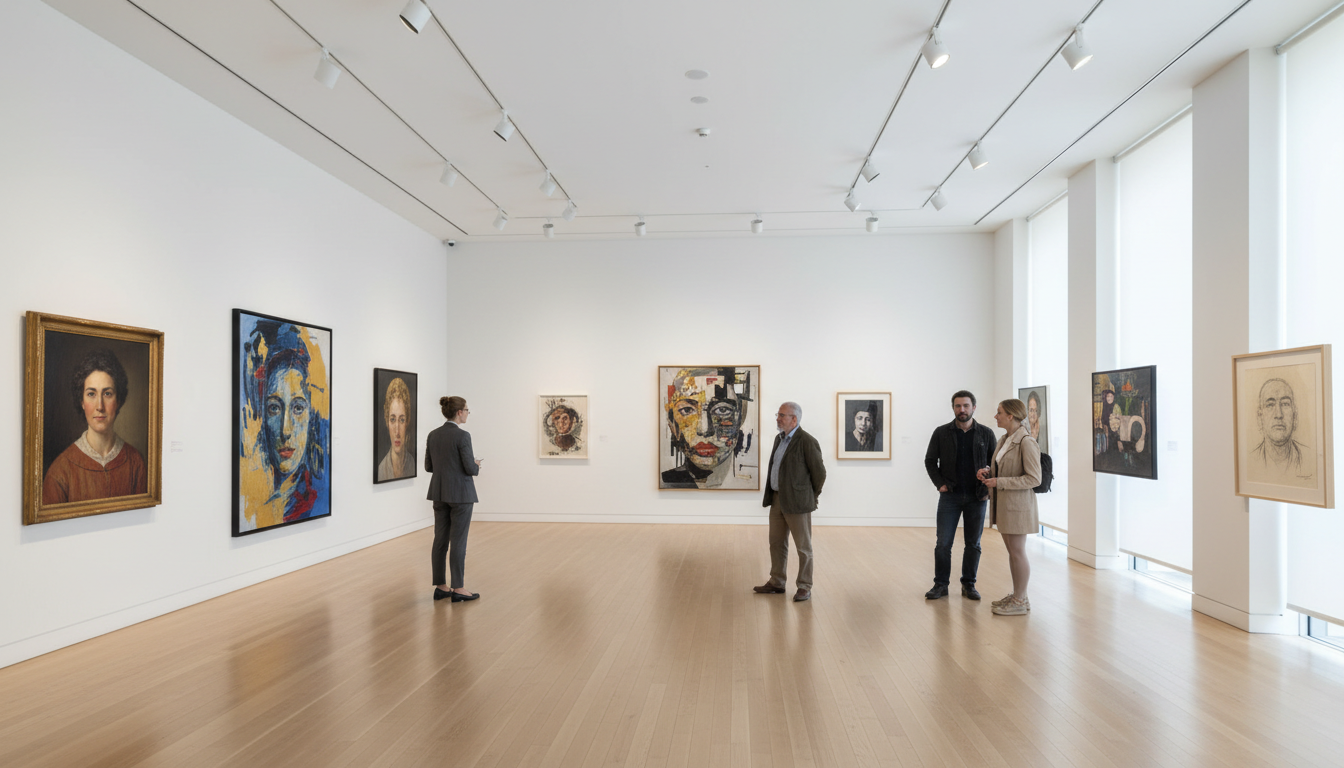
French art has a storied history, deeply intertwined with major artistic movements. The country has produced legendary artists such as Claude Monet, Edgar Degas, and Henri Matisse. Their works have not only defined eras but also set benchmarks for value and prestige in the art world.
Paris, often dubbed the art capital of the world, has been central to this legacy, with its art schools, galleries, and museums playing pivotal roles in nurturing and showcasing talent.
Key Movements and Their Impact
Several key movements originated in France, including Impressionism and Surrealism. These movements have had far-reaching impacts on global art trends, influencing both the style and valuation of artworks.
Economic Influence of French Art Sales
The economic implications of French art sales are profound. Auction houses in Paris and beyond frequently achieve record-breaking sales, drawing international attention and investment. This activity not only boosts local economies but also contributes to the global art market's vitality.
Collectors from around the world flock to France, investing in art as a means of diversifying their portfolios. This influx of international capital further solidifies France's position as a key player in the global art economy.
Auctions and Market Trends
Major auction houses such as Christie's and Sotheby's regularly host events in France, where rare and valuable pieces are sold. These auctions often set trends, influencing art valuations worldwide. The demand for French art continues to grow, driven by its rich history and enduring appeal.
The Role of Technology in Art Sales
Technology is reshaping how French art is bought and sold. Online platforms have expanded access to art markets, allowing collectors globally to participate in auctions and private sales. This digital transformation is making French art more accessible than ever before.
Blockchain technology is also emerging as a tool to verify the authenticity and provenance of artworks, providing buyers with greater confidence and potentially driving up sales.
Future Prospects
The future of French art sales looks promising, with continued growth expected. As technology advances and global interest increases, the influence of French art on global markets is likely to expand, fostering a vibrant and dynamic art economy.

Conclusion
French art sales have a lasting impact on global markets, shaped by historical significance, economic influence, and technological advancements. As the world continues to embrace the beauty and value of French art, its role on the global stage is set to remain influential and inspiring.